
Muscle Gain
The Best Bulking Programs & Apps for Skinny Beginners in 2026 (Reviewed)
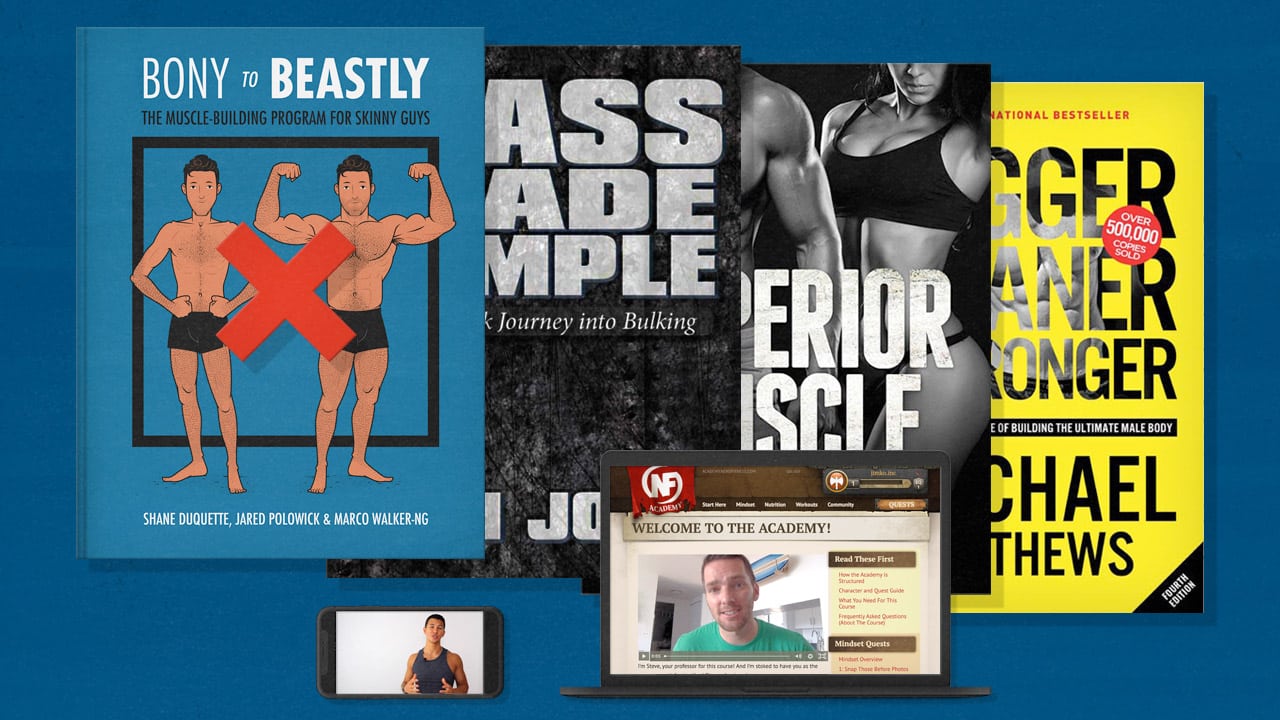
To find the five best bulking programs for skinny beginners, we surveyed our 28,000 naturally thin newsletter subscribers. Most of them have tried several different bulking programs, some of which worked, and many of which didn’t.
We’ve also bulked up ourselves. Marco is naturally skinny, he has a degree in health sciences, he has over a decade of experience as a full-time strength coach, and he’s helped a wide variety of clients bulk up, ranging from everyday skinny guys all the way up to college, professional, and Olympic athletes.
I’m naturally skinny, too, with over 15 years of full-time experience helping over 15,000 skinny people bulk up. We live and breathe this niche. So, we’ll offer our own wisdom here, too, when we can.
Note: Our Bony to Beastly bulking program was rated the highest, but that’s because we surveyed our own newsletter. It wouldn’t really make sense to review our own program, obviously. We’re much too biased.
Read More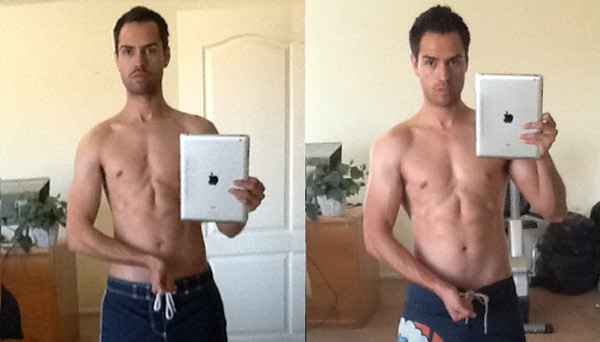
How Long Does it Take to Gain 20 Pounds of Muscle?
2026 Update: I’m not sure, but I think Jeremy Ethier may have called me out. In his latest video, currently at 1.7 million views, he claims that anyone saying it’s possible to gain 20 pounds of muscle in 3 months is being dishonest. If you google that claim, you’ll see my progress photos, some of my client’s progress photos, an AI summary that quotes me, and this article.
I see where the mistake comes from. It’s common mistake. What’s strange is that Jeremy Ethier disproves himself in his own video. I’ll go through it.
Gaining 20 pounds of muscle is a common goal for skinny beginners. If you’re starting off underweight, like I did, that will almost certainly be enough to bump you up to a healthy bodyweight. It’s enough muscle to look noticeably bigger and stronger, too. You’ll start picking up compliments from your friends and family members. It’s a big change.
Most skinny guys can gain 20 pounds within a few months. That’s long enough to build good habits and get some momentum going, but not so long that that it’s hard to keep up your motivation.
I’ve been helping skinny guys bulk up for 15 years. I’ll show you a ton of examples. You’ll see what it looks like on different guys, how lean their gains are, and how long it took them.
Read More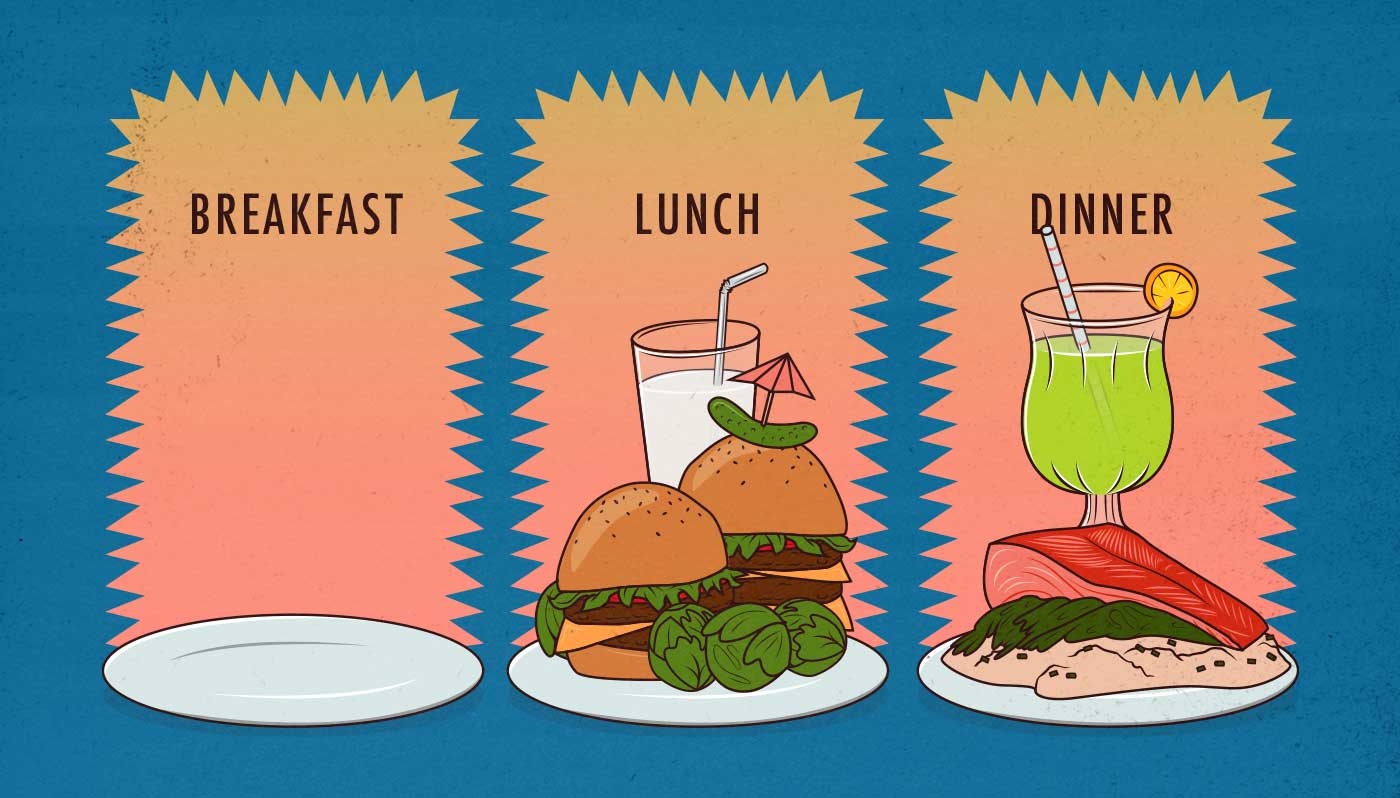
Is Intermittent Fasting Good for Building Muscle?
Intermittent fasting is popular for weight loss. But what if you’re a skinny guy trying to bulk up? Can you use intermittent fasting to build muscle faster or more leanly? After all, intermittent fasting raises growth hormone production, which purportedly helps with muscle growth; it increases insulin sensitivity, which could help make your muscle gains leaner; and research shows that intermittent fasting may help preserve muscle when losing weight.
On the other hand, bodybuilders are known for eating frequently—every few hours. They eat more often than the average person. Why is that? Could there be an advantage to eating more meals more often?
Finally, does intermittent fasting make it harder to eat enough calories to gain weight? Skinny guys are notorious for having smaller stomachs, faster metabolisms, and more meagre appetites, all of which can make it harder to eat enough calories to gain weight. Will intermittent fasting make that even harder?
Read More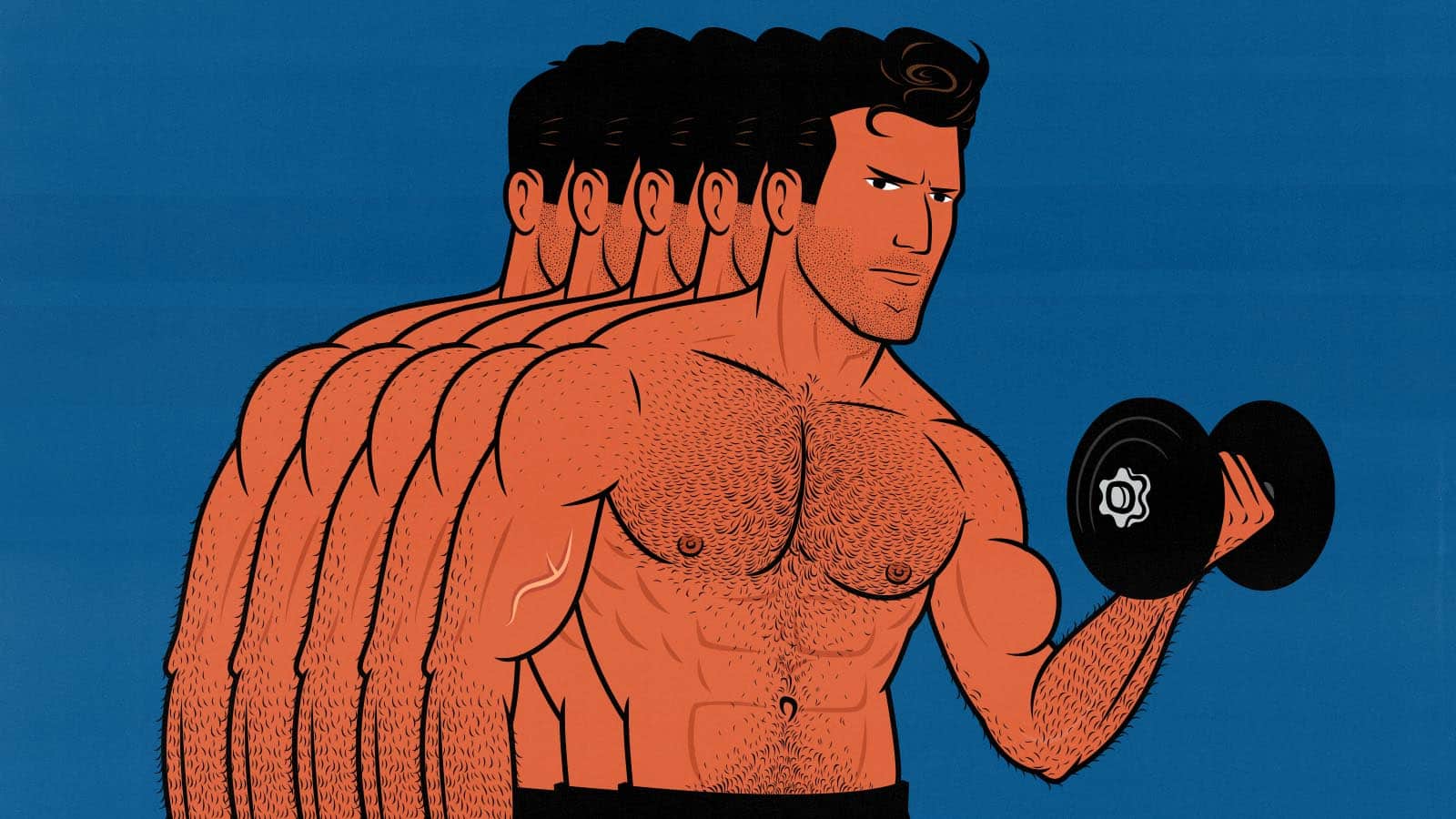
How Many Sets Should You Do Per Muscle Group Per Week?
The latest meta-analysis suggests you can maximize your rate of muscle growth with 10–20 sets per muscle group per week (Baz-Valle). That means in certain circumstances, you can expect to build as much muscle with 10 sets as 20. In other circumstances, going up to 20 sets could stimulate extra muscle growth. Going past 20 probably won’t stimulate even more.
This is a contentious topic. Some people believe it’s better to train harder, for fewer sets, less often. Others believe that there’s no real volume ceiling—that you can benefit from as many sets as you can suffer through.
Right now, the most famous programs use a moderate training volume (of about 8–24 sets per muscle per week), the research supports a moderate training volume, and most experts recommend a moderate training volume (exhaustive breakdown here). It’s also the approach we use when training clients ranging from desk workers all the way up to professional and Olympic athletes.
However, there are quite a few assumptions baked into these set recommendations.
- You’re training for hypertrophy. That means choosing good exercises, using a deep range of motion, doing about 6–20 reps per set, resting at least 2 minutes between sets, and taking your sets to within 3 reps of failure.
- You’re training all the major muscle groups in your body. If we look at studies where people are only training some muscles, then they can usually handle much higher training volumes. For example, the recent Enes study found that people could work up to 52 sets of quad exercises per week, but they were only training their quads.
- The exercise does a good job of working the muscle you’re trying to grow. For example, rows aren’t ideal for the long heads of your biceps, bench presses aren’t great for the long head of your triceps, and deadlifts aren’t the best for the long head of your hamstrings. You’d want to target those muscles with isolation exercises.
- You work up to the volume gradually. A good workout program starts with a lower training volume and gradually works its way higher. For example, you might start with 2 sets per exercise and work your way up to 5 over 4–8 weeks. That saves you from crippling soreness in the early weeks, and it keeps the challenge high in the later weeks. It also builds more muscle (study, study).
That gives us a few things to talk about and a few interesting examples to go over.
Read More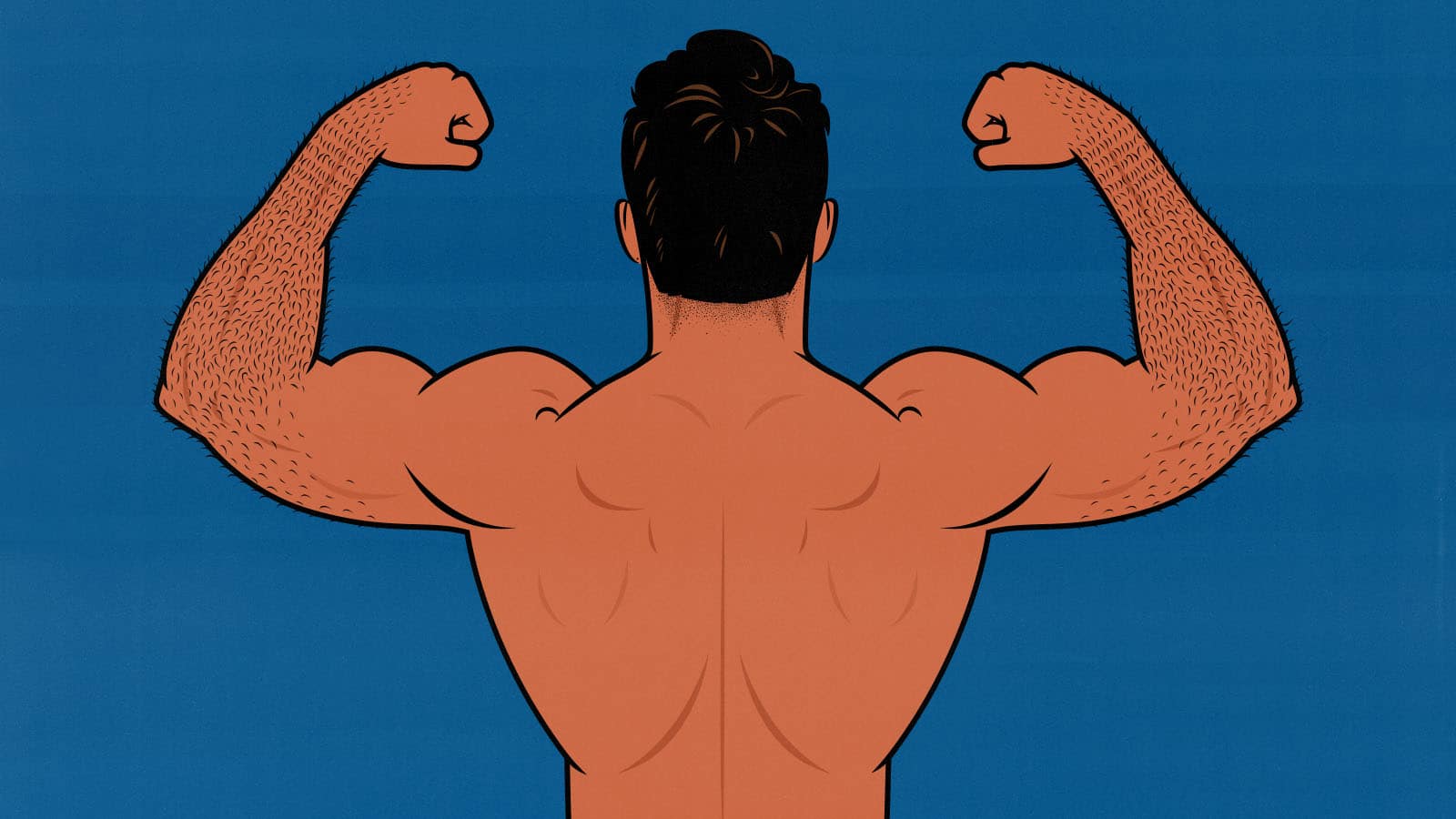
How to Build a Bigger Back: The Best Back Exercises & Workout
You can build a bigger back by doing a mix of horizontal pulls, vertical pulls, and deadlifts. Your back is made up of layers of overlapping muscles, all of which can work together, but many of which have different functions.
You could divide your back into your upper back (traps, rear delts, rhomboids, and teres major) and lower back (lats and spinal erectors), but even within the same back muscle, different regions respond better to different exercise variations. For example, your upper lats have a slightly different function from your lower lats.
You train your upper back and lats by combining vertical pulls (like chin-ups) with horizontal pulls (like rows). Adding a deadlift variation will take care of your lower back, giving you a thicker back. But it also helps to consider whether you’re tucking or flaring your elbows and whether you’re stretching and contracting your shoulder blades.
Delve Deeper
Maingaining: How to Build Muscle Without Gaining Fat
Maingaining is when you slowly build muscle without gaining fat. It’s usually set in opposition to bulking, where you eat in a calorie surplus to support muscle growth. Bulking is a more powerful, reliable way to build muscle, but it often comes at the cost of gaining body fat. Maingaining is supposed to solve that problem.
Up until a few years ago, “maingaining” was called “gaintaining.” I think it was Greg Doucette who flipped it around, and he caused enough controversy that it became the more popular term. The controversy had less to do with maingaining and more to do with the false claims he made to sell his fake turkesterone supplements.
Still, much of the internet’s ire landed on maingaining. Some argued it didn’t work. Most argued that it was a confusing way of combining body recomposition (where you build muscle while losing fat) with lean bulking (where you bulk slowly and leanly).
However, both body recomposition and lean bulking can work quite well. Combining them both together can be quite effective, especially under some circumstances.
Read More
How Fast Should You Gain Weight While Bulking?
Bulking faster almost always causes faster muscle growth, but if you bulk too fast, you’ll gain more fat. Bulking slower gives you a better chance of making lean gains, but you’ll also build muscle more slowly, and you might go through periods of not building any muscle at all.
Most people split the difference, bulking at a moderate pace. I didn’t. I was desperate not to be skinny anymore, so I gained weight as quickly as I could, gaining 20 pounds in 3 months (1.5 pounds per week). That’s 3 times faster than most experts recommend, but I finished leaner than when I started.
Since then, I’ve helped over 15,000 other people bulk up at varying paces and tracked their results. Most guys who want to bulk up are thin, but I’ve also coached hundreds of skinny-fat and overweight people. It’s easy to see the patterns.
There are some interesting studies we can look at, too. In particular, the famous Ribeiro study.
Read More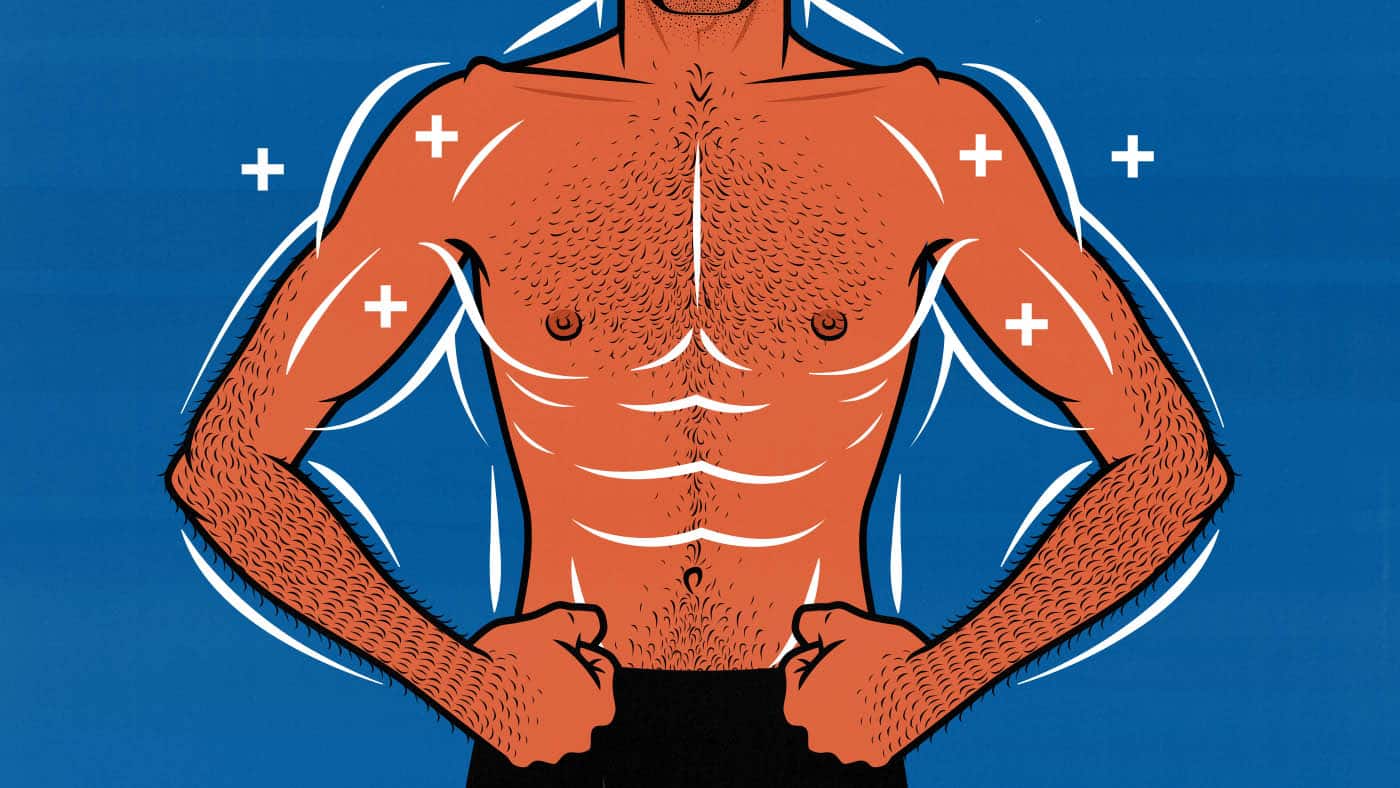
How Fast Can Skinny People Build Muscle?
I want to talk about how quickly skinny people can expect to build muscle. It’s a contentious topic. I’ve gained 70 pounds and spent the past decade helping over ten thousand skinny people bulk up, and I’ve noticed that most experts either get this wrong or forget to even mention us.
Most experts warn that gaining weight too quickly will make you fat, but they’re almost never talking about skinny people. When I ask them specifically about skinny people, their answer usually changes, sometimes quite dramatically.
Read More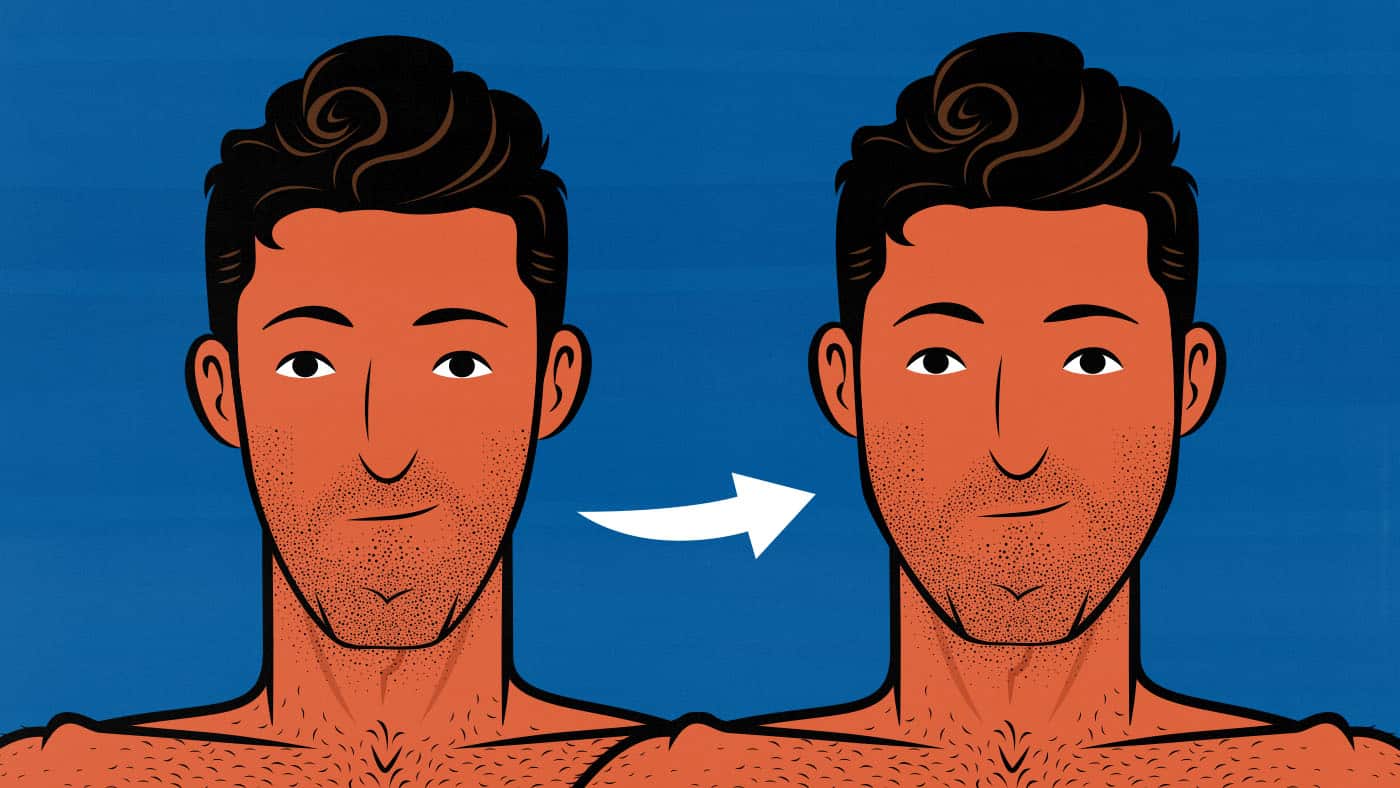
Can Chewing Gum Bulk Up Your Jawline?
I don’t have a strong jawline. My jaw just blends straight into my neck. I’ll show you in a second. But I wasn’t particularly bothered by it. George Lucas created wonderful things without a chin, so I didn’t see why I needed a jaw. Still, whenever I saw an ad about chewing on rubber Jawzrcise balls, I was tempted.
The problem with those Jawsrcise balls is that they don’t replicate regular chewing patterns. They do stimulate some of our chewing muscles, but they might also create imbalances, changing how you bite, and potentially causing problems. I confirmed this with an orthodontist. More on that in a moment.
Chewing gum is much more promising. You chew it just like you chew regular food, and it does a great job of working your muscles of mastication (including your masseters). Chewing gum could help your jawline, but it depends on what type of gum you chew and how you chew it.
Read More
Do Skinny People Have Bad Muscle-Building Genetics?
I think it’s important to talk honestly about muscle-building genetics. I don’t mean that in a pessimistic “blackpill” way. Every skinny person can build muscle. I’m naturally skinny. So is Marco. We’ve each gained around 70 pounds. And over the past decade, we’ve worked with over ten thousand skinny clients, both male and female, ranging from desk workers to Olympic athletes.
But our genetics do indeed influence those results. Even among naturally skinny people, we all have different bone structures, different muscles that lag behind, and different muscles that pull ahead, causing us to build bodies that look rather different from one another.
So, I don’t think we should take the overly optimistic “whitepill” approach, either. If we don’t understand and account for our genetic weaknesses, we won’t ever succeed at building muscle.
Finally, for every genetic downside you have, there’s probably a genetic strength you can leverage. For the most obvious example, if you have a hard time gaining weight, you’ll have an easy time staying lean. That genetic leanness will be a powerful ally as you bulk up.
Read More