
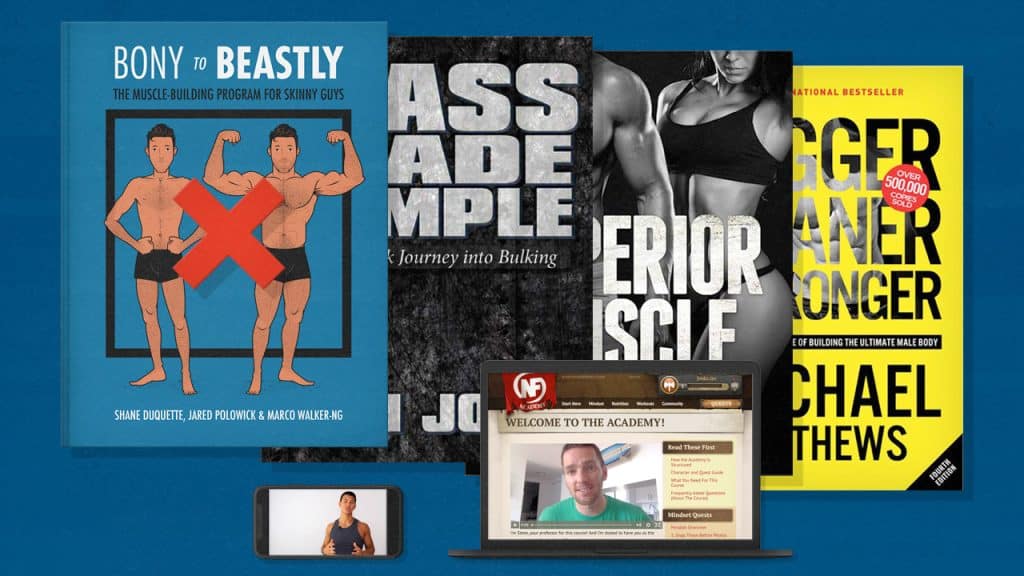
The Best Bulking Programs & Apps for Skinny Beginners in 2026 (Reviewed)
To find the five best bulking programs for skinny beginners, we surveyed our 28,000 naturally thin newsletter subscribers. Most of them have tried several different bulking programs, some of which worked, and many of which didn’t.
We’ve also bulked up ourselves. Marco is naturally skinny, he has a degree in health sciences, he has over a decade of experience as a full-time strength coach, and he’s helped a wide variety of clients bulk up, ranging from everyday skinny guys all the way up to college, professional, and Olympic athletes.
I’m naturally skinny, too, with over 15 years of full-time experience helping over 15,000 skinny people bulk up. We live and breathe this niche. So, we’ll offer our own wisdom here, too, when we can.
Note: Our Bony to Beastly bulking program was rated the highest, but that’s because we surveyed our own newsletter. It wouldn’t really make sense to review our own program, obviously. We’re much too biased.
Introduction
The most popular muscle-building programs tend to be made by the most popular influencers. Some of those influencers are experts, but others are total charlatans, and it can be almost impossible to tell them apart, especially when you’re first stepping into the niche.
It isn’t quite as bad as it seems. Any program that encourages you to exercise, eat less junk food, and get enough sleep can be good for you. That’s even true of Athlean-X’s bulking program, which is one of the worst I’ve ever seen (full review here).
- Still, some bulking programs are overly complicated, needlessly difficult, and riddled with pseudoscience.
- Some influencers are secretly abusing performance-enhancing drugs, and not all of them are doing it as obviously as Liver King.
- Many gurus promote fad diets that make it harder for skinny guys to gain enough weight to support muscle growth. That’s true of all the low-carb, keto diets, and intermittent fasting diets, which are designed for an entirely different issue from ours, but some of the inappropriate advice is far sneakier, as you’ll see in the Jeremy Ethier section.
There are a few great bulking programs out there, though. That brings us to the second problem. Most reviews are written by regular guys. That’s a good thing. They have firsthand experience going through these programs. They’re coming at it from the perspective of real skinny beginners.
However, casual beginners aren’t very well informed. Think of a hobby you love, and then think of the advice you’d get from someone who’s only a few months into it. Their advice is relatable and often useful, but it isn’t as good as nuanced as the advice you’d get from someone who’s been obsessed with the hobby for decades, and even their advice won’t be as good as what you’d get from someone who’s been teaching people for decades as their full-time job. Marco has also done this at the highest level, too, helping college, professional, and Olympic athletes bulk up.
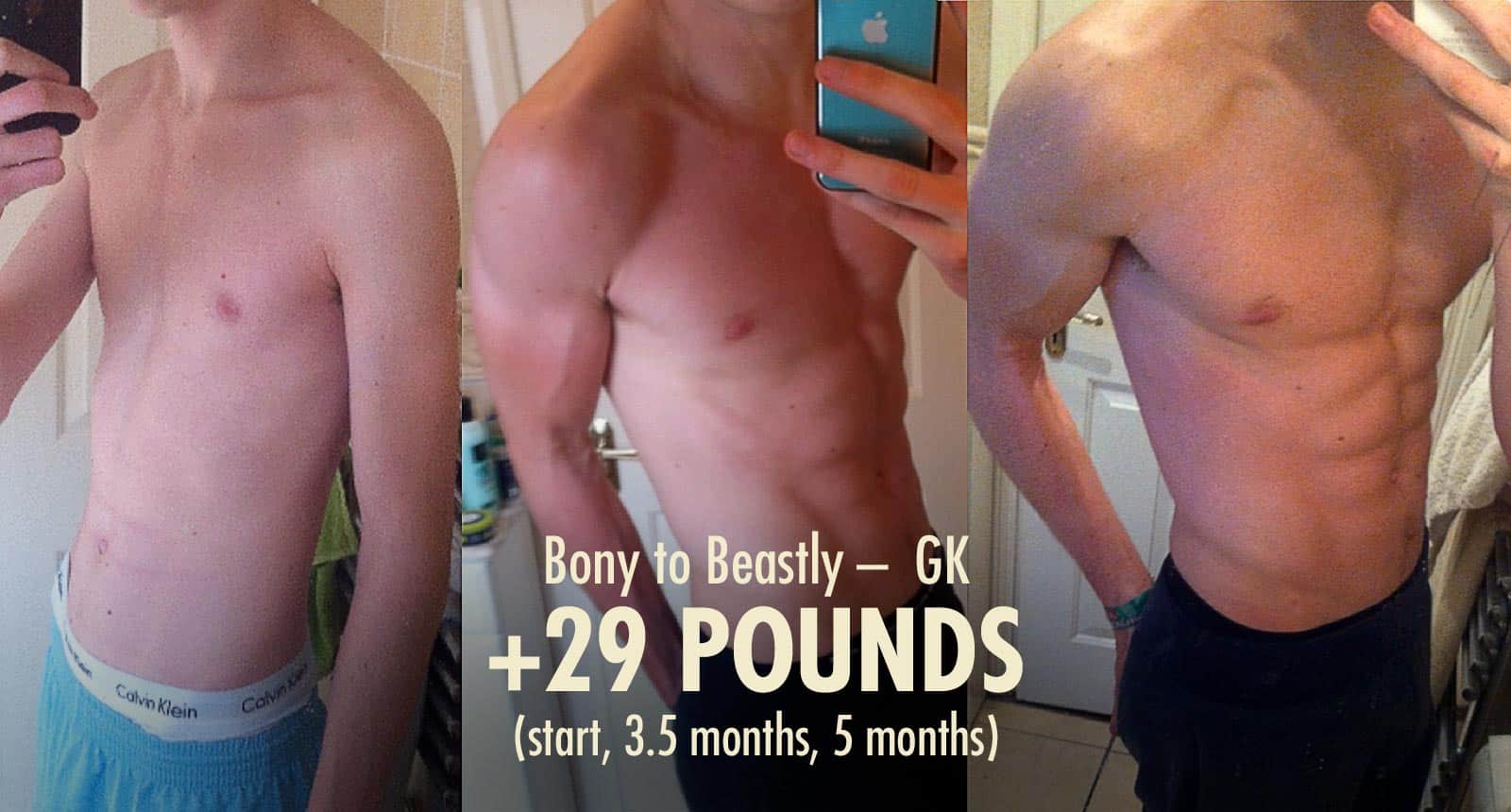
We have a reasonably large newsletter (26,000) full of formerly skinny guys who bulked up using various muscle-building programs, including ours, but also including other programs. We asked them what their favourite bulking programs were. We also asked them which bulking programs didn’t work as advertised.
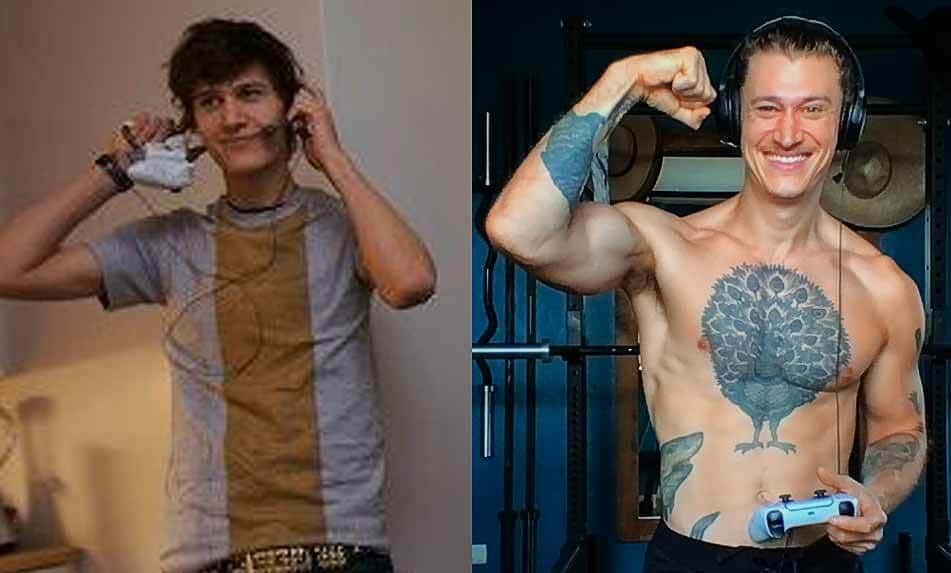
From there, we can bring in our own expertise. We’re both naturally skinny, we’ve each succeeded at gaining 70 pounds (naturally), we’ve got the relevant education, we’ve read through all the relevant research, and we have over a decade of full-time experience helping thousands of naturally skinny guys bulk up. All of our clients are naturally thin. Our brand is Bony to Beastly. This is exactly what we do best.
These five bulking programs were chosen by our readers and reviewed by us. We’re including their opinions in our reviews. We’ve tried to clearly spell out the best and worst aspects of each program. These are the five best programs, mind you, so expect far more praise than criticism. All of them are good.
We aren’t including programs that are no longer active. That means programs by Vince Delmonte, Anthony Ellis, John Berardi (Scrawny to Brawny), and Eric Cressey aren’t featured here. I’ve just updated this list for 2025. I’ll update it if a great new bulking program comes out.
Feel free to let us know about programs you feel should be on the list. Your comment will be automatically approved. I don’t delete any of them.
Our Program Isn’t On the List
The common marketing technique is to review a few competitors, highlight their flaws, and then present your own program as the paladin of muscle growth. I understand why that format works. It’s great for selling copies of your program. But I’m guessing you’re here because you want an unbiased recommendation, not an underhanded sales pitch.
The fitness industry is big enough for many good brands to succeed. We all benefit from having more trustworthy sources of information. We can leave our program out. We’ll focus this article on the others.
Okay, now let’s cover the best bulking programs for skinny guys (not including ours).
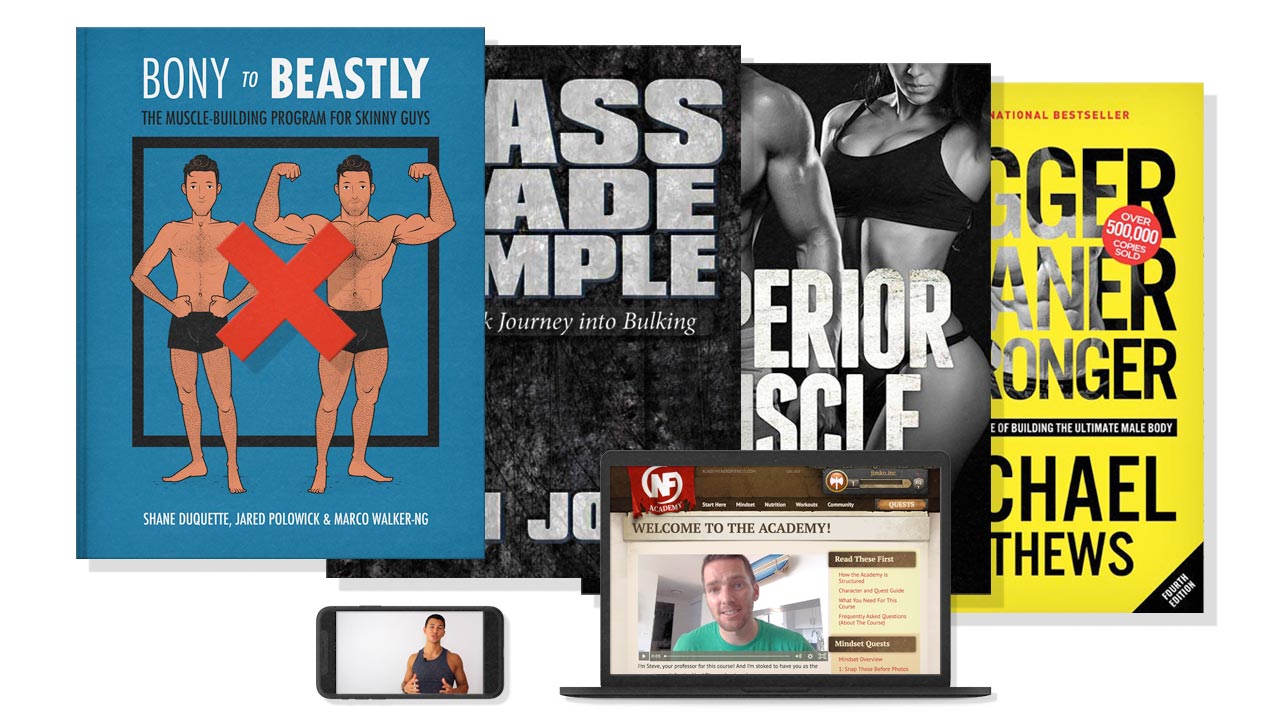
The Best Bulking Programs for Skinny Beginners
These are the bulking programs that were highly rated by skinny guys who succeeded at bulking up. All of these programs will teach you how to train for muscle growth, eat a good bulking diet, and live a healthy lifestyle. All of these programs can work.
Here’s the catch: most skinny guys have a hard time gaining weight. I struggled with that for many years. I wasn’t able to eat more calories than I was burning. That made it physically impossible for me to get bigger. That’s very common.
All of these programs tell you to eat enough calories. Not all of them give you advice about how to eat more calories. In fact, some of them prescribe diets designed for overweight people. Those diets will make it harder to gain weight. That isn’t good or bad, it’s just something to consider. If you struggle to gain weight, you’ll need to be wary of that. We’ll tell you what to watch out for.
The other component of a bulking program, of course, is the bulking workout. All of these workout routines are effective enough to stimulate muscle growth. Beyond that, they’re each designed with different goals in mind. Some are designed to be efficient, some are designed to be easy, some are designed to make you look better, and some are designed to improve your strength and athletic performance.
Finally, each program includes different things. Some include exercise tutorial videos, recipes, meal plans, or customer support. Some are online courses. Others are books. Some have apps you can use. We’ll break it all down.
NerdFitness Prime/Articles
NerdFitness was run by Steve Kamb. He’s a naturally skinny guy, and he has a ton of personal experience bulking up. He doesn’t run NerdFitness anymore, though. I don’t hear about the brand very often. They’ve been fading away, which is too bad. He brought a great and unique energy to the fitness industry.

When we surveyed our audience, NerdFitness got mixed reviews. Some guys absolutely loved their programs. Others said the brand wasn’t a good fit for them. A few said they struggled to get good results. I think I know why there’s so much disagreement.
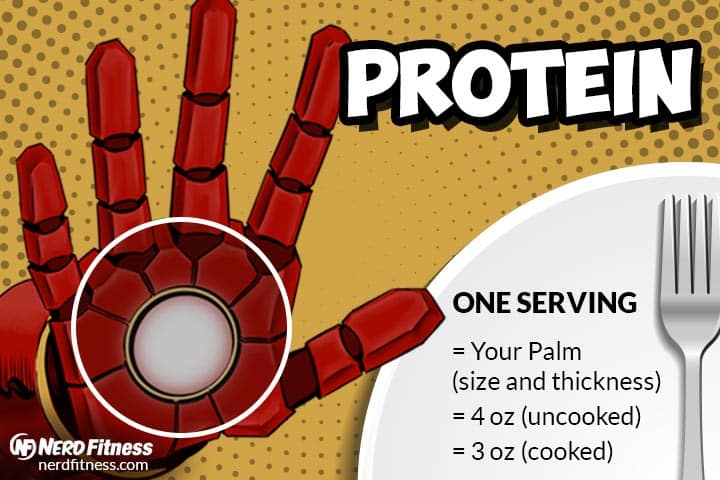
The NerdFitness brand name implies a nerdy approach to fitness, but there are a few different definitions of “nerd.” NerdFitness is evidence-based, and their advice is quite good, but the “nerdiness” refers to all the comic book and movie references, not an academic obsession with the science of building muscle.
NerdFitness is for Marvel nerds, not muscle nerds. If you want muscle nerds, you’d probably prefer Greg Nuckols over at Stronger by Science. That’s where you can find 10,000-word articles about the best hypertrophy exercises for the muscle between your third and fourth rib.
Here’s how NerdFitness approaches building muscle:
- They sell an online membership, not a bulking program. There isn’t a specific guide or workout program. Instead, you pay a monthly fee, and you have access to everything, 90% of which is for overweight people. There’s an active community on Facebook. Almost everyone in the community is trying to lose weight.
- All the advice is casual. You’ll be given advice like, “Don’t drink as much soda” or “try to visit a new city this year.” Most of the advice has very little to do with muscle growth. It’s more about taking baby steps towards a healthier lifestyle.
- The membership system is confusing. I can’t find a search bar, and the content is organized in a way that makes information difficult to find. I can’t find any information about bulking at all.
- “Health” is conflated with “weight loss.” I understand why that is. Most people could stand to lose a few dozen pounds. Skinny guys are the exception, though, and it’s annoying to be constantly given advice that doesn’t apply to us.
- The diet advice is designed to help you lose weight. You’ll be told to drink fewer calories, avoid snacking, stop eating rice, and so on. If you’re having trouble gaining weight, this approach will make it harder. After all, smoothies are incredibly good sources of nutrients, snacking is great for guys with small stomachs, and rice is an easily digestible source of healthy carbs.
- They recommend a bunch of fad diets—intermittent fasting, keto, paleo, and so on—but they’re reasonable about it. It’s true that some guys can benefit from skipping breakfast and eating fewer carbs. Those diets aren’t usually very good for skinny guys, but we’re the exception to the rule.
- They recommend doing three full-body workouts per week. That’s great. This is the best default workout schedule for a skinny beginner trying to bulk up.
- Strength training workouts. NerdFitness recommends strength training instead of hypertrophy training. Strength training is great, but it’s not designed to stimulate muscle growth. You’ll build muscle faster and more easily with hypertrophy training (aka bodybuilding). I think they’re misunderstanding the science on this one.
- There’s a focus on compound lifts. Their workout program focuses on exercises like squats, deadlifts, rows, dips, and chin-ups. These lifts stimulate the most overall muscle growth. This is great.
- There aren’t any isolation lifts. This can be a problem. Most skinny guys want bigger arms. Your arms will grow twice as fast if you include a few sets of biceps curls and triceps extensios (study, study). Those two simple isolation exercises would add 5 minutes to your workouts. You might also want broader shoulders, maybe even a thicker neck. The NerdFitness approach won’t help with that.
- I think NerdFitness has your best interests at heart. I get the feeling this company makes money to help more people, not the other way around. I don’t see even a hint of greed here.
I don’t mind that NerdFitness takes a super casual approach to fitness. There are times in my life when all I want to do is run this business, hang out with my wife and son, and still have enough time to play video games. During those periods, I do minimalist workouts at home to maintain my muscle mass, strength, and fitness. Unfortunately, NerdFitness programs aren’t very good for bulking up. A different casual program would be better.
Overall, I don’t recommend NerdFitness anymore. It seems to me that the passion is gone. I hope Steve Kamb does well in his next endeavour, though. I’ve pre-ordered the book he’s writing. He’s a great writer.
Mass Made Simple by Dan John
Dan John is a world-class strength athlete who competed in Olympic lifting and the Highland games. He’s earned a legendary reputation for coaching elite athletes. He’s also highly respected among other strength coaches. For example, he’s famous for popularizing exercises like goblet squats and farmer carries, both of which are fantastic. Marco knows him from going to the same conferences. He’s a super nice guy.
Mass Made Simple is Dan John’s minimalist bulking program for skinny guys who want to get bigger, stronger, fitter, and more athletic. If you’ve heard of Starting Strength or StrongLifts 5×5, you know the vibe: keep it simple, keep it big, do lots of squats, and focus on progressive overload.
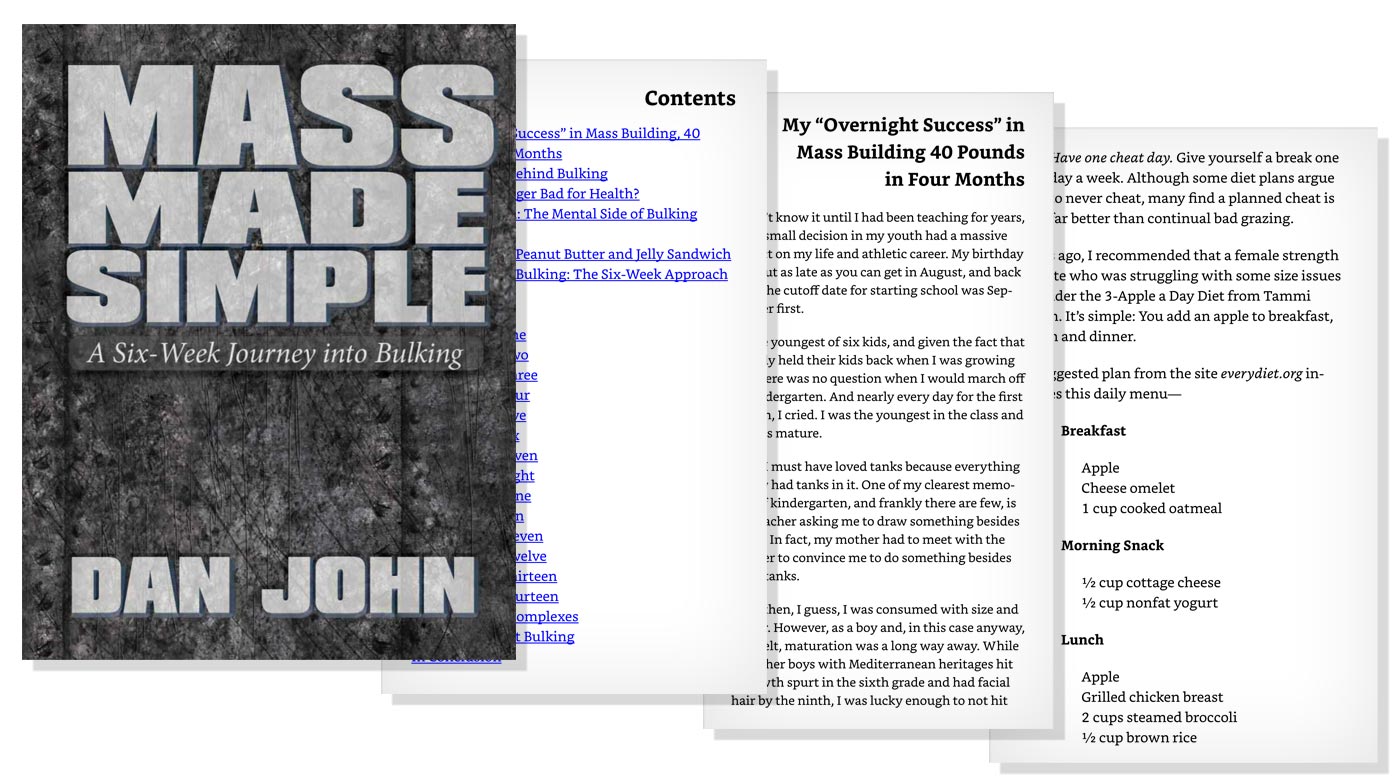
Here are the basics of Mass Made Simple:
- You can buy this program as a book or PDF. They don’t look very impressive. The average Google Doc is prettier. But don’t be fooled: the content is good.
- This is a program designed specifically for skinny guys. Instead of being taught how to eat less food, you’ll be taught how to eat more food. For a simple example, you’ll be told to eat more snacks, not fewer. That’s great. Bulking diets can be big. Skinny stomachs often aren’t. Eating more often keeps our meals from being oppressively large.
- The diet is simple. Dan John recommends meals like peanut butter and jelly sandwiches. There’s nothing sorcerous about sandwiches, but they’re easy to make, easy to eat, and they’re good for building muscle. For snacks, you’ll be eating foods like cottage cheese and apples. Great.
- The workout program isn’t simple. There aren’t any tutorial videos teaching the lifts. There aren’t any beginner progressions of the lifts. Some of the lifts are complicated. The complexes are definitely complex. The program feels like it’s made for high-school football coaches.
- There’s a focus on the front squat, barbell bench press, and one-arm overhead press. These are fantastic lifts, and they put a heavy emphasis on your chest, front delts, and quads. These are the muscles you need for Olympic weightlifting, shotput, the Highland Games, and a bunch of other strength-oriented sports, including football.
- The training volume comes from “hypertrophy complexes,” where you do circuits of rows, cleans, squats, overhead presses, and good mornings. These workouts aren’t quite ideal for building muscle, but they aren’t bad, and they’re great for getting fitter. I can see athletes getting a ton of value out of these.
- No goblet squats or loaded carries. Dan John is famous for popularizing goblet squats and loaded carries, both of which are amazing for helping skinny guys bulk up, and neither of which is in this program.
- Get plenty of sleep. That’s great. Getting more sleep will absolutely improve your muscle growth and strength gains, ward off fat gain, and give you more willpower for your workouts.
- No gimmicks. No weird diet fads, no secret tricks, and no misleading marketing. You’ll come away with a healthy attitude towards muscle, strength, and fitness.
This program was the least popular of the five programs, but it also got the highest ratio of positive reviews. Everyone who mentioned it recommended it. It’s also the only program on this list designed specifically for naturally skinny guys.
Overall, I recommend this program for skinny guys in high school who want to bulk up for strength sports. This program puts a huge emphasis on fitness and conditioning, but instead of coming at it from the perspective of the typical overweight person, it’s for skinny guys trying to bulk up. I love that. Just be mindful that you’ll need to pair this program with a bunch of your own research.
Superior Muscle Growth by A Workout Routine
Superior Muscle Growth is a program made by the mysterious “Jay.” Despite his anonymity, he’s earned a reputation for writing high-quality free guides on his blog, A Workout Routine. I’ve been a fan of his articles for many years now. There’s a ton of great information there.
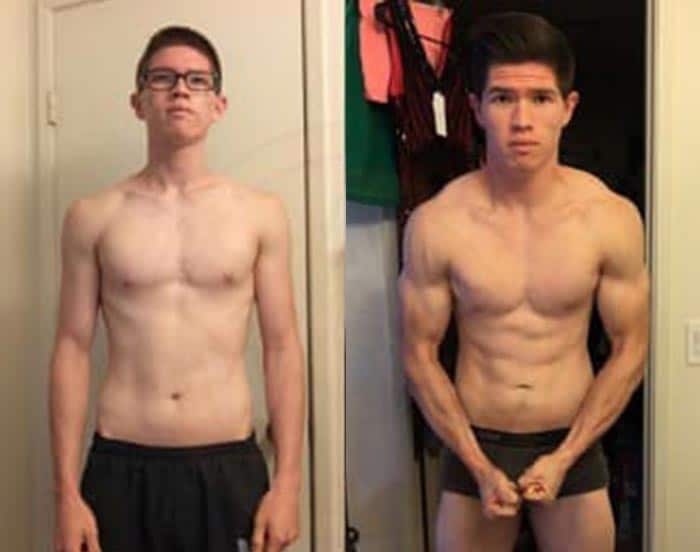
Jay sells several different programs, including a muscle-building program: Superior Muscle Growth. It isn’t specifically for skinny guys, but many of our naturally skinny readers rated it highly. I bought it and liked it. It’s a great bulking guide, and it’s definitely appropriate for beginners.
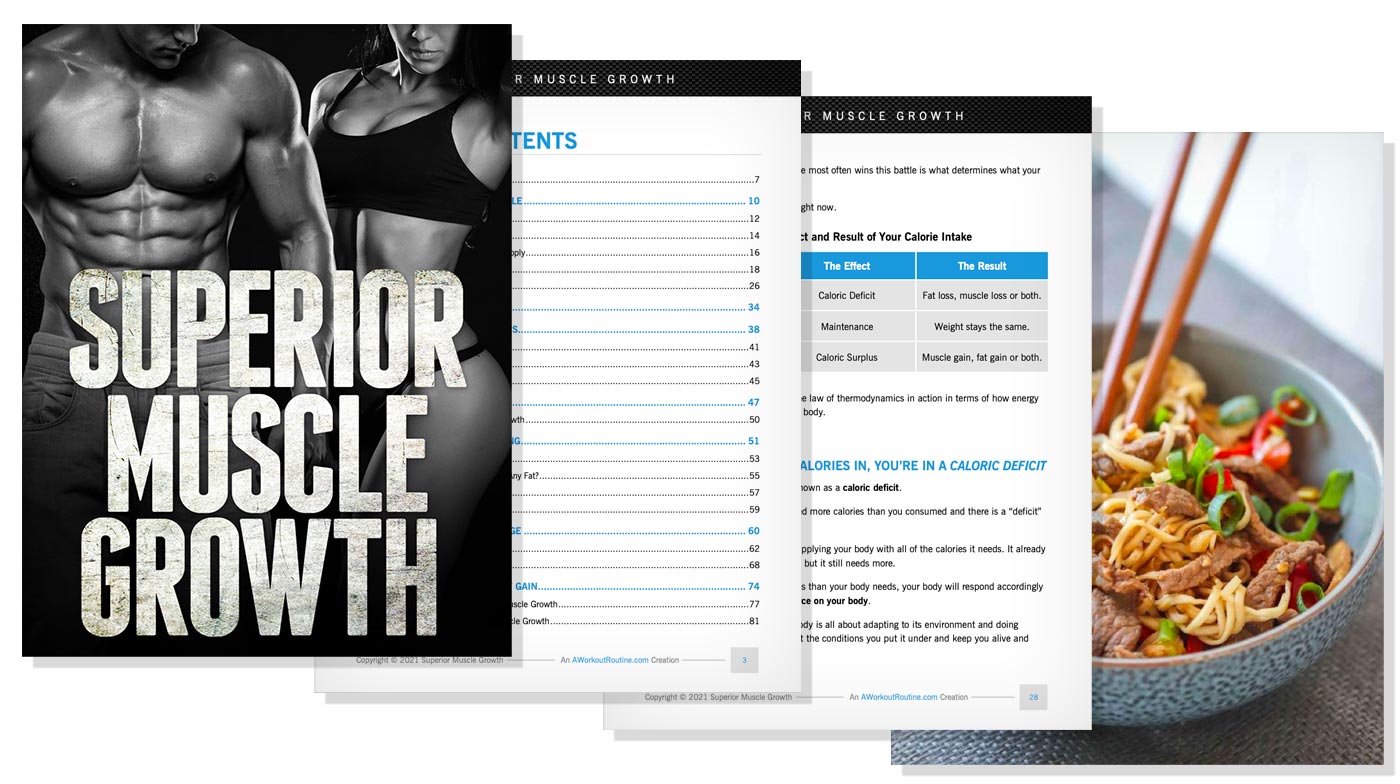
Here’s what Superior Muscle Growth is all about:
- The program is well-written and well-presented. It’s entertaining and informative. The design of the guides makes the program even easier to understand. There are plenty of graphics. The recipe book is full of great photographs. Nothing is confusing.
- Three full-body workouts per week. That’s perfect. This is the best default workout schedule for skinny guys trying to bulk up. You could argue that other schedules work equally well, but there’s nothing better.
- Hypertrophy training workouts. These workouts are specifically designed to help you build bigger muscles, making this the first conventional bulking program we’ve covered so far.
- Three compound exercises per workout. That’s it. As a beginner, you alternate between two minimalist workouts. The first workout has squats, bench presses, and rows. The second workout has deadlifts, overhead presses, and pull-ups. It’s a similar format to Starting Strength (full review) and StrongLifts 5×5 (full review).
- There aren’t any isolation exercises. There aren’t any exercises for your biceps, triceps, or side delts, none of which are properly stimulated by this selection of compound lifts. That isn’t necessarily a problem, but your arms will only grow half as quickly.
- Eat in a small calorie surplus. That makes sense for this program. You’re only stimulating a moderate amount of muscle growth, and you’re only focused on bulking up some of your muscles. It makes sense to slow your rate of weight gain to match your slower rate of muscle growth. That’s how you keep your gains lean.
- Eat a high-protein, moderate-carb, moderate-fat diet. You’ll be eating somewhere in the neighbourhood of 1.2 grams of protein per pound bodyweight per day. That’s a bit high for a minimum target, but Jay justifies it by saying he prefers building in some insurance. He accurately presents the research and then gives his own recommendation. I think that’s the correct way to go against the grain (pun intended). No issue here.
- The diet is perfectly sensible. Jay recommends eating healthy, minimally processed foods. You can build muscle and improve your health by eating this way. This simple but accurate advice is surprisingly rare in the fitness industry. All of the programs we’ve covered so far are unusually good in this regard.
- The program includes a recipe book! Eating is a big part of bulking, so it’s wise to include a recipe book. This one features healthy recipes like high-protein salads, smoothie bowls, and omelettes. All of the recipes are good for building muscle. They look tasty, too. However, few of them are particularly easy on the appetite, and there isn’t much advice about how to eat more calories.
- There are tons of plant-based recipes. There’s a vegetarian recipe book and a vegan recipe book. That makes this the best program for plant-based bulking. The recipes look really good, too. Incredibly good value here.
- The guides are detailed and extensive. Every topic is covered. Every question is answered. Every recommendation is explained and justified.
- As far as I can tell, there aren’t any exercise tutorial videos. That’s understandable. Jay is anonymous. However, I think teaching people how to lift weights is a crucial part of teaching people how to build muscle.
Overall, I recommend this program if you want a simple program that eases you into building muscle at a slower pace. The beginner bulking program is good for developing general strength and competency on the big compound lifts. The diet and lifestyle recommendations are healthy, sensible, and good for building muscle.
Bigger, Leaner, Stronger by Mike Matthews
Mike Matthews is the founder of the supplement company Legion Athletics. He built a great body with a bodybuilding routine, hit a plateau, and got stuck there for years. To start making progress again, he added strength training principles into his training. He still lifts like a bodybuilder, but the weights are heavier, and there’s a much greater emphasis on progressive overload.
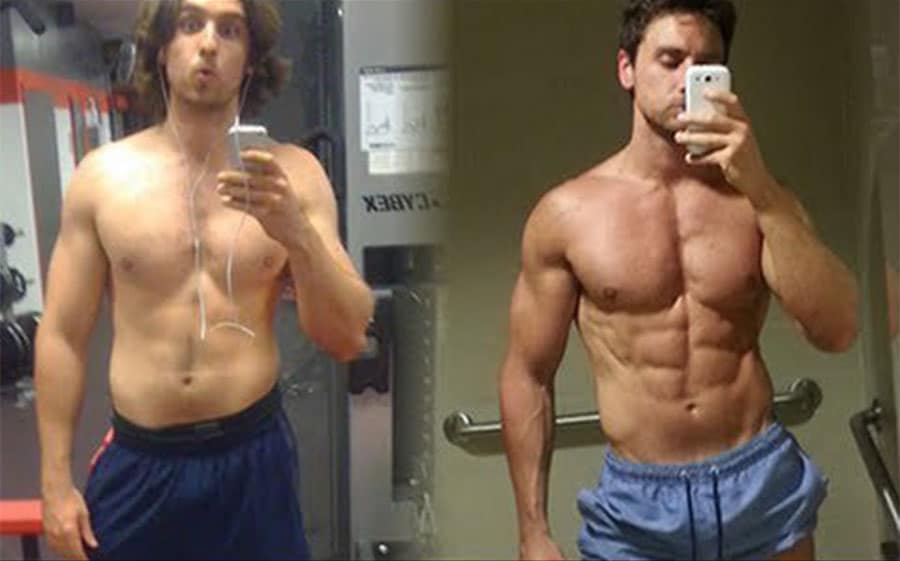
Mike Matthews’ muscle-building book is Bigger, Leaner, Stronger. It’s a program for intermediate lifters, but many skinny beginners like it, too. When we surveyed our readers, many of them spoke fondly of it. Mind you, many of them did it after they’d already gained their first 20–30 pounds.
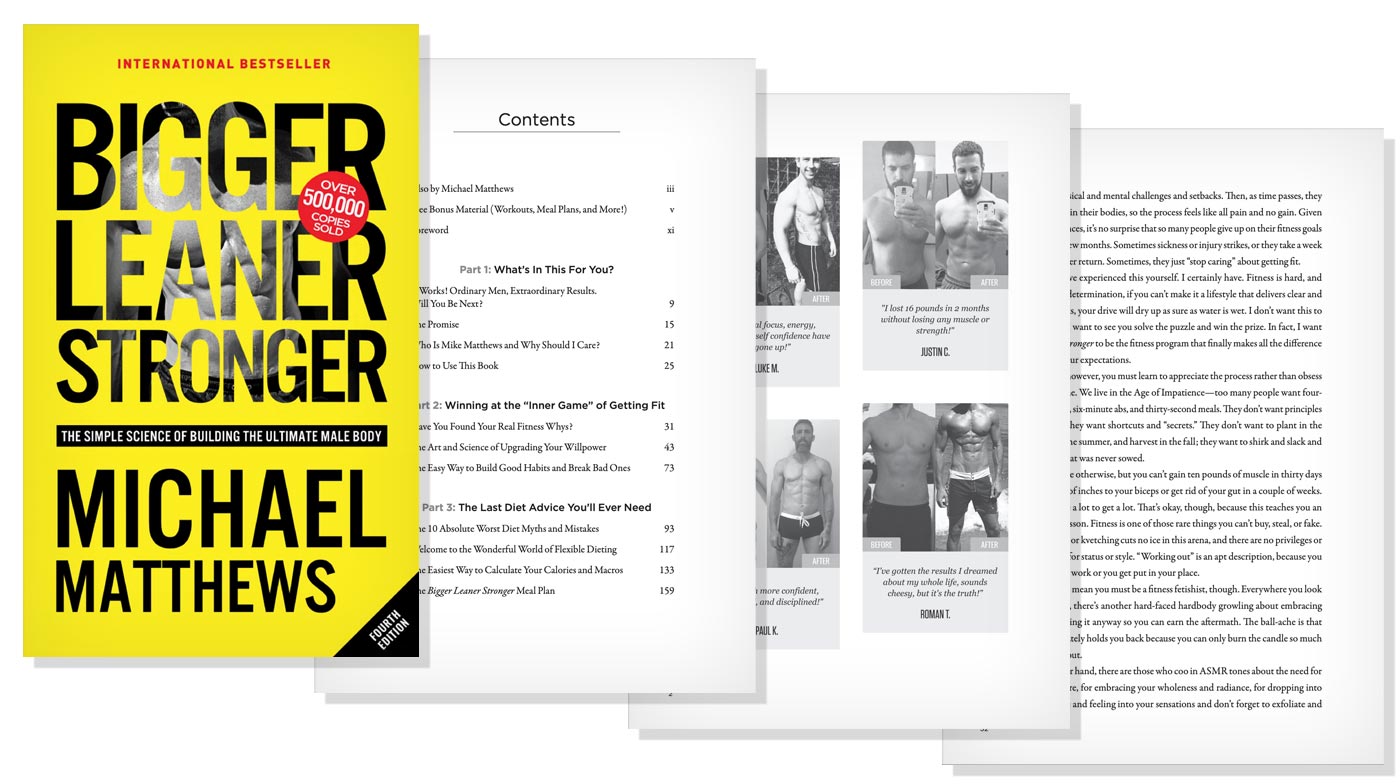
Here are the basics of Bigger, Leaner, Stronger:
- You can buy this program as a book or PDF. It isn’t flashy, but everything is clearly organized, and the content is good. Nothing is confusing.
- Mike Matthews runs a supplement company, but he doesn’t overhype supplements. He tells you straight up that you don’t need supplements to build muscle. That’s true, and I appreciate the honesty. He seems like a guy who balances profit with integrity.
- The workout program is a bodybuilding split. You’ll need to train 4–5 days per week to get optimal results. This program includes 3-day, 4-day, and 5-day workout routines. All of the workouts are body-part splits, meaning you only train some of your muscles each workout. I don’t think body-part splits are ideal for beginners (full explanation), but this program wasn’t made for beginners.
- The workout routine includes compound and isolation lifts. Every muscle has at least one exercise that trains it properly. This is the first program on the list that aims to fully develop your physique (except for your neck). That’s a major plus.
- These workouts are quite heavy! You’re supposed to do 4–6 repetitions for most sets. Doing 6–20 repetitions per set tends to be slightly more efficient, but this program isn’t about being efficient; it’s about maximizing your rate of muscle growth. And it will, especially if you’re doing the 4-day or 5-day workout routine. I like this approach. As a skinny guy who was desperate to bulk up, I wanted a program that took my goal seriously.
- You’re taught Flexible Dieting. You’re supposed to get most of your calories from whole foods, track what you eat using a calorie-tracking app, and aim for a specific amount of protein, carbs, and fat. This is an effective way to bulk up. It’s what most bodybuilders do. But you don’t need to. For more, we have an article about tracking your calories while bulking.
- This program isn’t designed for beginners. It will work for beginners, but there aren’t any tutorial videos teaching the exercises, and the workout program is a bit overbearing for a newbie. Novice and intermediate lifters can get equally good results with a simpler and more efficient program. I’m sure Mike Matthews will disagree with me on that, but his willingness to disagree with people is part of why I like his brand.
- This program isn’t specifically for skinny guys. On the one hand, there isn’t much advice about how to eat more calories, which is too bad. On the other hand, there isn’t any weight-loss advice masquerading as muscle-building advice, which is nice.
- This is a complete walkthrough guide. It includes more than just workout and diet advice. It includes guides about how to build a home gym (if you want to train at home), how to take progress photos, and how to adjust what you’re doing based on the results you’re getting.
Overall, I recommend this book to guys who used to be in the habit of lifting weights but never quite built the physique they wanted to see in the mirror. It will reintroduce you to all the old lifts you knew and loved. It will teach you how to eat for continued muscle growth. You’ll build a physique that’s strong, healthy, and looks great.
He seems to be mostly focused on selling supplements now. I don’t hear about his articles very much anymore. He’s stopped posting on YouTube. He’s said that he’s done podcasting.
Built With Science App (Jeremy Ethier)
Jeremy Ethier runs Built With Science (not to be confused with Stronger by Science). He has a degree in exercise science. He’s famous for running one of the most popular muscle-building channels on YouTube. Many of our readers enjoy his free content. Some said they enjoyed his bulking program. Others complained that it didn’t work.
He’s got a workout app with a built-in calorie tracker, and it’s rich in features, and it’s great in many ways. It suffers from the same problems as his bulking program. It’s also more than twice as expensive as a better alternative (in the next section). He asked if I’d be interested in becoming an affiliate, and the referral rate was generous, but I didn’t think it was a good fit.
Here’s a breakdown of his approach to bulking:
- His diet advice makes it harder to eat more calories. Jeremy Ethier’s advice seems to be tailored for people struggling to lose weight. He uses that same approach with skinny guys who are having a hard time gaining weight. That only makes things harder. It’s the opposite of how skinny guys should bulk.
- Jeremy is loose with the science, and it’s especially bad when it comes to helping skinny guys bulk up. Whenever I look into his scientific references, they don’t support the claims he’s making. He often overlooks important context. Much of what he says is logically inconsistent. And that’s especially true when he’s giving bulking advice to skinny guys. I don’t get the impression it’s a topic he cares very much about. It seems like fat loss advice with the calorie recommendations flipped around, justified with incorrect scientific references. More on that in this article and this video.
- The workout routine is good. You’ll be working out 3+ times per week. You’ll be doing the right number of sets and repetitions. You’ll be training each muscle hard enough and often enough. There isn’t anything particularly creative here, but there aren’t any gimmicks, either. It’s a perfectly fine workout program.
- There are exercise tutorial videos. Jeremy did a good job here. He can teach a complicated lift at a beginner level with a simple 3-minute video.
- You have to track your calories. There’s a heavy emphasis on weighing your food and using a calorie-tracking app. This isn’t good or bad. Tracking your calories works very well. So does eating more intuitively and naturally. It all depends on what approach you prefer.
- The marketing is extremely aggressive. All of the prices are hidden behind quizzes. There are upsells everywhere. You’ll get spammed with emails. The whole experience feels like it was designed by dystopian corpo overlord.
Jeremy Ethier’s app is impressively comprehensive. I don’t doubt that it works quite well for the average person. The main problem is that most skinny guys seem to have a hard time getting results from the program, and that’s largely due to the dietary strategies he recommends.
The first problem with Jeremy’s approach to nutrition is that he focuses on swapping out high-calorie foods for lower-calorie, more filling foods. That’s good for the average person, but it often causes skinny guys to lose weight. If you’re struggling with that, we have an article about how to eat more calories. I also made a video tutorial.
The second problem is that he recommends bulking extremely slowly. Worse, the skinnier you are, the slower you’re supposed to bulk. It’s exactly backwards.
Macrofactor
Macrofactor is a pair of workout and calorie-tracking apps created by Greg Nuckols. Greg is a published researcher and world-record natural powerlifter. He runs the website Stronger by Science and founded the Monthly Applications in Strength Sport (MASS) research review. He’s got a reputation for being extremely rigorous with his science, writing book-length articles that go deeper than most meta-analyses. His writing is technical enough that it hasn’t ever attracted a casual audience, but he’s got an amazing reputation with serious lifters, strength coaches, and content creators. He’s had an enormous influence on the muscle-building community.
I’ve been a fan of Greg’s articles for over a decade now, subscribed to MASS since the first issue was published 9 years ago, and have been testing his Macrofactor app since it launched 5 years ago. I’ve tested the app on hundreds of clients, and the feedback has been overwhelming positive. I’ve been testing the new workout tracker for the past few months, and I’ve been enjoying it it.
I wrote a full review here, but here’s the gist of it:
- The very first version of Macrofactor wasn’t quite ideal for skinny people. It recommended gaining weight at a percentage of bodyweight (e.g. gaining 1% of your body weight each month). That doesn’t work well for skinny people because we weigh less but benefit from gaining weight faster. I told Greg about this, and he patched it with the next update, adding a weight-gain slider to allow for more aggressive bulking. It works great now.
- Macrofactor is more powerful at the cost of being more complicated. The app has a ton of options and features built into it, and almost everything is fully customizable. That’s great… but you’ll be bumbling around for a couple of weeks before you figure out where everything is.
- The workout logger is eccentric, but not in a bad way. When you first start using it, it wants you to go to failure on everything so that it knows your limits, which gives people an interesting first experience. It adjusts the weight recommendations from set to set, so almost everything turns into Reverse Pyramid Training (tutorial video). You can fiddle with the settings, but it prefers to have you start off with a heavier set and then gradually go lighter. I like that way of training, and it’s great for gaining muscle and strength, so no issue there.
- Jeff Nippard runs the marketing side of Macrofactor, and he filmed all of the exercise tutorial videos. I’ve made videos criticizing some of Jeff’s content (here and here), and I definitely don’t agree with him about everything, but he’s an experienced bodybuilder, powerlifter, and coach who legitimately knows his craft. He did a great job.
- The auto-generated workouts are good. Greg Nuckols has a couple of strength programs that people really like, and Jeff Nippard has some popular bodybuilding programs, but they aren’t built into Macrofactor. Instead, you can auto-generate a workout program, import a workout program, or build your own. The auto-generated workout programs take into account the equipment you have, and they build a decent workout for you, but they aren’t anything special. They’re about as good as the Built With Science ones.
- You can import a better workout routine. Jeff Nippard has some good workout routines you can buy and import into Macrofactor. However, If you’re a skinny beginner, I recommend importing our beginner workout routine. It’s free, and we have an article and tutorial video explaining how to do it.
Five years ago, Greg Nuckols asked me if I thought my audience would like Macrofactor. I gave him some feedback, including my skepticism about the rate of weekly weight gain the app was recommending. He agreed about the issue, and he patched it. Macrofactor has gradually gotten better since then. I’m very happy recommending it.
If you want to try Macrofactor, you can extended free trial with the code “b2b”. If you want a beginner bulking workout to import into it, I’ll walk you through it here. I’ll throw in some of my favourite bulking recipes, too (for free). That’s all you need to make Macrofactor perfect for a skinny beginner.
Macrofactor is $8 per month (if you pay yearly). To put that into perspective, Jeremy Ethier’s Built With Science App is $17 per month (if you pay yearly). I’ve also noticed that Macrofactor hasn’t ever raised their prices, even when inflation started exploding everywhere.
Conclusion: Which Bulking Program is Best?
I think Macrofactor is the best bulking app for skinny guys. There aren’t any instructions about how to bulk properly, and it won’t give you a meal plan or recipes or teach you about nutrition, but it will help you lift weights, and it will guide you towards the correct rate of weight gain. The app is limited in scope, but it’s good at what it does.
If you want to try out Macrofactor, I recommend starting here. I’ll show you how to use it in a way that’s perfect for skinny guys. And if you don’t want to use the app, you don’t have to. I’ll show you how to bulk without an app. You don’t need to track calories. You can track your workouts with a pencil and a notebook. The bulking tradition is many thousands of years old.
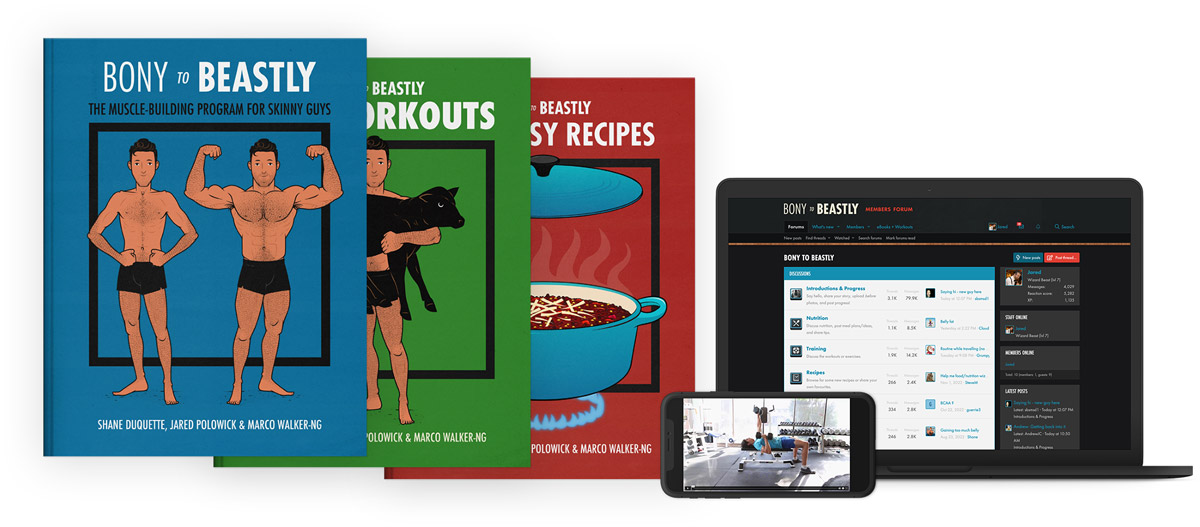
Alright, that’s it for now. If you want more muscle-building information, we have a free muscle-building newsletter for skinny guys. We also have our own bulking program for skinny guys. It includes a full workout routine, tutorial videos teaching every lift, a detailed guide, an entire recipe book full of bulking meals, a yearlong membership in our online community, and one-on-one support from us as you go through the program.

Shane Duquette is the founder of Outlift, Bony to Beastly, and Bony to Bombshell, each with millions of readers. He's a Certified Conditioning Coach (CCC), has gained 70 pounds, and has over a decade of experience helping more than 15,000 people build muscle. He also has a degree in fine arts, but those are inversely correlated with muscle growth.