
Longterm Health

The Fear of Lead in Protein Powder & Cacao
I just posted a video about the health benefits of cacao powder. About how it’s got some healthy stimulants in it, how it’s great for improving cardiovascular health and blood flow, and how it improves skin health and appearance. It might even give a small boost to muscle growth, though I wouldn’t bet on it.
I got quite a lot of comments from people who had heard that chocolate was high in lead, making it dangerous. It’s true that cacao can have more lead than other foods, and it’s wise to choose brands that have been tested by unbiased third-party labs to check for both safety and efficacy. I did that. I have a subscription to Consumer Lab, and the brand of cacao I recommend passed all of their tests. But even still, the lead in every brand of cacao is almost always way below the safety threshold, not just by a little bit, but by orders of magnitude. It would be shady of me to use the fear of lead to nudge you towards buying a specific brand. The truth is, you’re okay with almost every brand.
Consumer Reports (not to be confused with Consumer Lab) is tricking people with a bait and switch. They use Prop 65, which is a Californian law stating that food products with more than 0.5 micrograms of lead per serving need to put a warning on the package. The law is controversial for being so strict, but that isn’t the problem. Consumer Reports took that PER SERVING limit and used it as their DAILY limit.
Some people are fearful by nature, and it shows in their writing, and I’m fine with that. Others use fear as a way to make money. This feels like the that second sort of fear. The error is so enormous and so obvious that it feels specifically designed to make headlines and start a debate. It feels like ragebait.
Whatever their intentions were, it worked. They made headlines, and they sparked a huge debate, with almost every legitimate expert being forced to address the misinformation, thus bringing even more attention to it. It worked for them, though, as a business, not for us, as people trying to improve our health.
I think the best thing to do is go through the history of lead toxicity and explain the safety thresholds.
Read More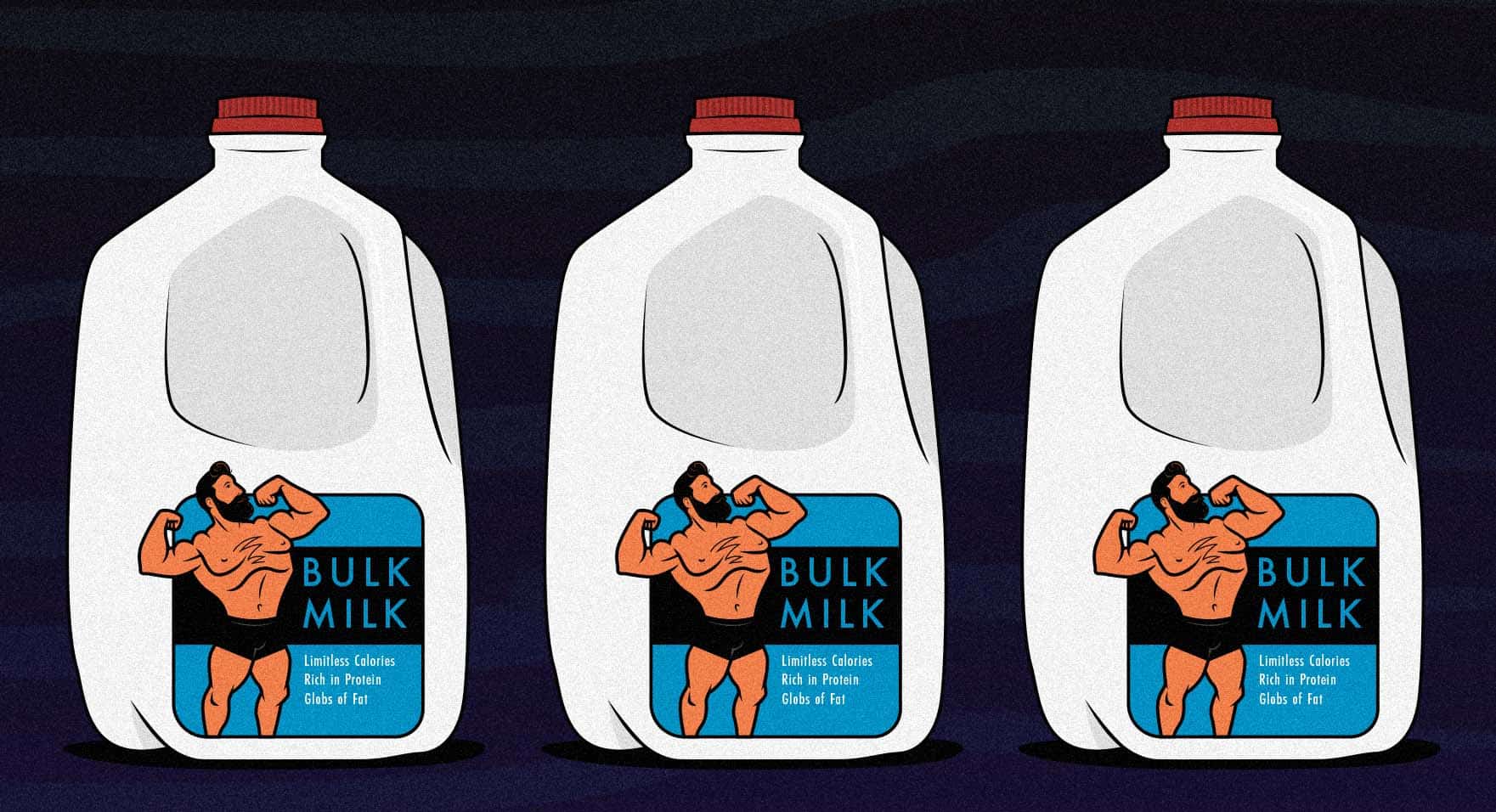
Is Milk Good for Bulking? (What About GOMAD?)
Milk is one of the easiest sources of calories and protein, making it great for bulking. Adding a glass or two of milk to your diet might be all it takes to slip into an easy calorie surplus. That’s especially handy for skinny people (like me) who have a hard time eating enough calories to gain weight.
Milk is also a rich source of micronutrients, including the obvious ones, like calcium. More interestingly, it seems to have other unique muscle-building properties. More on that in a second.
The problem is that if you drink too much milk, you may find yourself gaining quite a lot of fat (study). In fact, drinking a gallon of milk a day (GOMAD) is so infamous for making guys fat. It’s the classic “dreamer bulking” diet.
Read More
Does Blending Fruits Affect Their Fibre, Nutrients, or Sugar?
I’ve been asked a few times whether it’s healthy to blend fruits into smoothies. Usually, the concern is that blending breaks down the cellular structure of the fruit, releasing more sugar into your bloodstream and spiking your blood sugar. The opposite is true. I’ll explain that in a second.
Another concern is that blending fruits destroys the fibre or nutrients. Blending doesn’t usually destroy anything, and sometimes it releases extra nutrients, but there’s one situation to watch out for. It might be bad to blend bananas with blueberries, kind of.
Read More
Should You Do Cardio While Bulking? Yes, Sort Of
Hypertrophy training is designed to stimulate muscle growth. You adapt by growing bigger, stronger muscles, but it won’t improve your cardiorespiratory health very much.
Cardio makes you fitter. You adapt to draw more blood into your heart, build more blood vessels, and produce more energy in your mitochondria. It’s great for you, but it won’t make you bigger or stronger.
Thus, a balanced workout routine includes both.
Here’s the problem: Doing both hypertrophy training and cardio at the same time causes us to adapt in two complementary but competing ways. You only have so much energy, only so many resources, so you can’t maximize every adaptation all at once. This is called the interference effect.
On the other hand, if cardio makes you fitter, you’ll be able to handle tougher hypertrophy training workouts. If it improves blood flow to your muscles, you’ll have improved performance and better recovery. There are muscle-building advantages to doing cardio, too.
Things get even more confusing if you’re a naturally thin “ectomorph” or “hardgainer.” The more cardio you do, the more calories you’ll burn and the more food you’ll need to eat. If you’re already struggling to eat enough to gain weight, that can be a problem.
More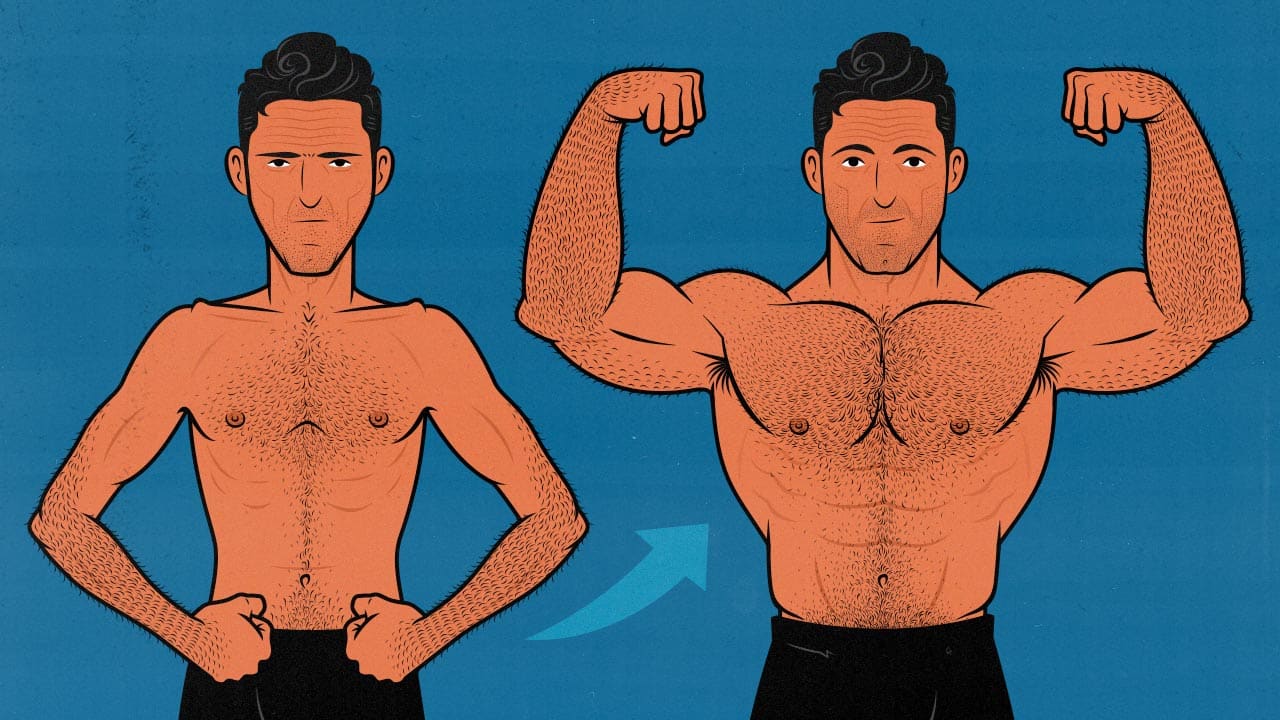
How Age Affects Muscle Growth
We’ve helped 15,000 skinny people bulk up, ranging from 18 to 80 years old. Marco has coached college, professional, and Olympic athletes revelling in the peak of their athletic performance. He’s also coached sedentary desk workers in their 20s, 40s, 60s, and 80s.
What we’ve seen matches what we see in the research, and what the research shows is shocking. We have pictures. You’re going to love this.
Read More
How Much Protein Powder Can You Have Per Day?
One of the most common questions we get is how much protein powder is too much protein powder? One scoop of whey per day is probably fine, right? But what about 2 scoops? 3 scoops? 4?
I’ve seen dozens of muscle-building studies where the researchers give participants upwards of 60 or even 90 grams of protein per day for several months in a row, measuring what effects it has on muscle growth.
There are other studies looking directly at how much protein powder you can safely have per day.
Read More
Does Cardio Kill Muscle Gains?
Cardio can kill muscle gains. We’ve known this for many decades. It’s common knowledge among lifters and shows up in studies. Most recently, a study found that cardio cut muscle growth in half. We’ll go over the nuance of that study in a moment.
That isn’t normal, though. Most people who combine weight training with cardio build muscle just fine. The latest meta-analysis found that cardio didn’t interfere with muscle growth at all (meta). In fact, I’ve noticed the opposite.
If you’re clever, you can use cardio to build more muscle. We’ll go over some interesting research. It’s something I’ve seen with clients, too. The guys who get the best results are often the ones who get fit while they’re bulking up.
Read More
Are Pre-Workout Supplements Good for Building Muscle?
We’ve seen some heated discussions about ingredients and dosages founds in pre-workout supplements. Does this particular brand have at least six grams of citrulline malate? Is it the correct ratio of citrulline to malate? Is there theanine alongside the caffeine to blunt the jitters? Are they using proprietary blends to hide subpar dosing? Unless you’re super into supplement research, it can be hard to parse.
But the more important question is, will taking a pre-workout supplement actually help you build muscle? Instead of diving right into min-maxing the ingredients and dosages, maybe we should take a step back and see if pre-workout supplements even work.
Read More
How to Know if You’re Skinny
How can you know if you’re skinny? There are a couple different ways. One definition for skinny is being underweight, so we can calculate your BMI. Another definition for skinny is having small muscles and lanky limbs, so we can look at your body-part measurements to see if you have smaller muscles than the average man.
That gives us two tests:
- Are you underweight?
- Are your muscles smaller than the average man’s?
In either case, we can then help you bulk up so that you’ve got a healthy bodyweight and muscles that look strong because they are strong.
Read More
Is Bulking Healthy? Can We Make it Healthier?
Different people bulk in different ways, and so depending on how we approach it, it can be either good or bad for our general health. However, as a general rule, bulking involves habitual weight training, eating a lot of whole food, eating plenty of protein, getting an abundance of good sleep, and gaining muscle mass, all of which are incredibly healthy.
One of the main reasons that Marco and I are so passionate about helping skinny guys bulk up is because we’re so confident that it can profoundly improve your health, as it did for the two of us.
Still, there are some things to watch out for, as well as some things we can do to make bulking even healthier, so let’s go into more detail about how we can bulk up in a way that’s good for our general health.
Read More